

Bathroom Leaks, Fixtures and Drains
Water at a toilet base can result from a seal, supply connection, tank leak or condensation. Low shower flow may involve a cartridge, fixture or nearby valve. The inspection must distinguish these before recommending work.
Why Choose Us
Bathroom work requires careful diagnosis and respect for finished surfaces. Our team focuses on finding the source, protecting the surrounding area, and confirming that every repaired fixture works correctly.
-
Bathroom-Specific Diagnostics
We check the fixture, valves, seals, drainage, and nearby connections that may be contributing to the problem.
-
Respect for Finished Spaces
Work is planned to limit unnecessary disturbance to tile, cabinetry, walls, and flooring.
-
Clear, Code-Compliant Options
We explain whether the fixture can be repaired, needs a replacement part, or should be replaced, and keep the work in line with NYC plumbing codes.
-
Final Function Testing
Water flow, drainage, shutoffs, seals, and fixture operation are checked before completion.
Bathroom Repair Details
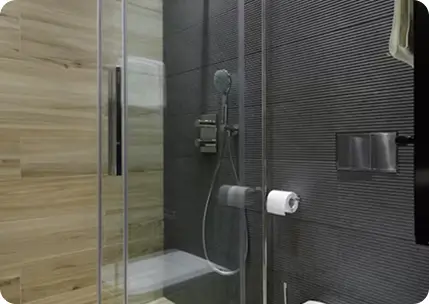
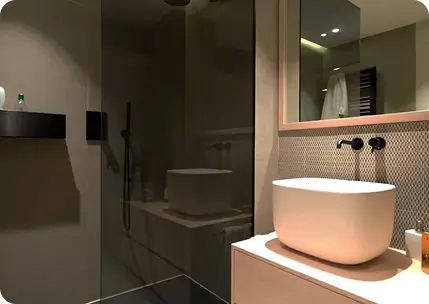
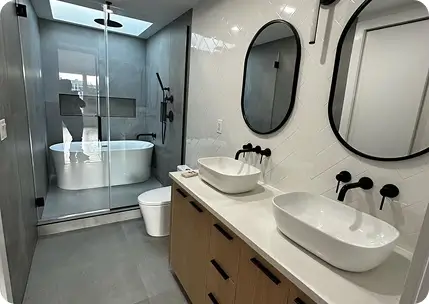
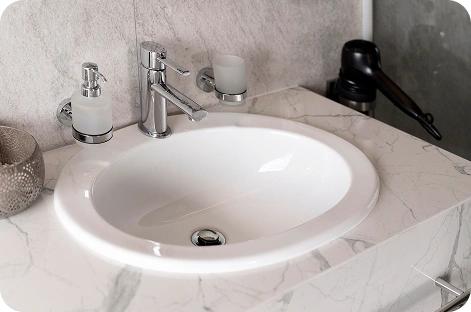
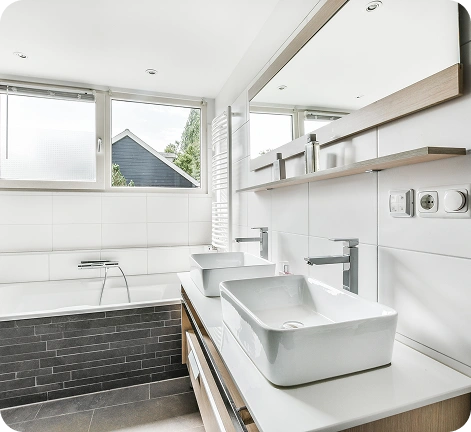
Show real bathroom-specific examples: fixture connections, access restrictions and completed functional checks.
How It Works

Symptom Check
We review what you have noticed, when the problem occurs, and whether it affects one fixture or several.

Fixture and Connection Inspection
The plumber tests the affected area and examines accessible valves, seals, supply lines, and drains.

Bathroom Plumbing Repair
The approved repair or installation is completed with attention to the surrounding finishes and access points.

Operation and Leak Test
The fixture is run under normal conditions to confirm proper flow, drainage, sealing, and shutoff performance.
Bathroom Plumbing That Fits the Space
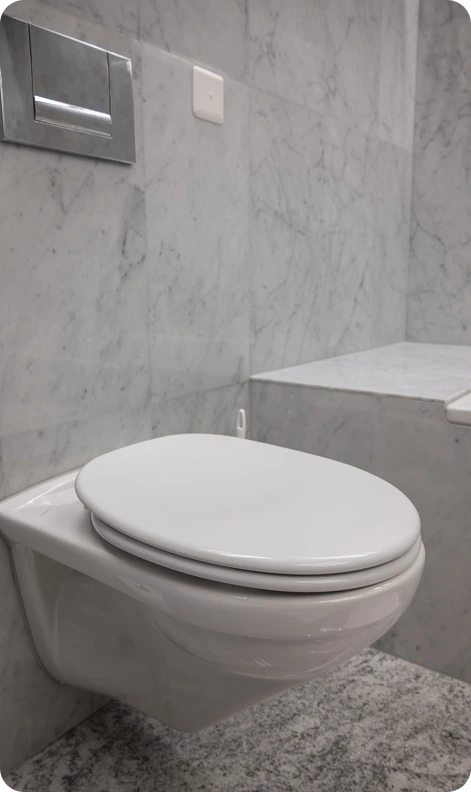
New York bathrooms often present access challenges. Apartment walls may contain shared supply or drain lines, older buildings may have nonstandard previous repairs, and compact layouts can leave very little room around valves and traps. These conditions affect how the problem should be diagnosed and how the repair should be approached.
We work with the existing layout whenever it is safe and practical. If an upgrade is planned, we check fixture compatibility, drain alignment, shutoff access, and connection requirements before installation. This helps prevent problems such as loose fixtures, stressed supply lines, poor drainage, and inaccessible valves after the tile or vanity work is complete.
FAQ – Bathroom Plumbing Questions
We handle leaking faucets, toilet problems, slow drains, weak water pressure, damaged shutoff valves, loose fixtures, leaking supply connections, and plumbing changes related to bathroom upgrades. The inspection determines whether the issue is limited to one fixture or connected to a larger plumbing problem.
Possible causes include a failed base seal, a loose supply connection, condensation, a tank leak, or a crack in the fixture. Stop using the toilet if water is actively spreading and arrange an inspection before the flooring or ceiling below is damaged.
Yes. A worn flapper, faulty fill valve, incorrect water level, or internal adjustment problem can allow water to flow continuously. Even when the sound is intermittent, the toilet may still be wasting a significant amount of water.
When the rest of the property has normal pressure, the cause may be a clogged aerator or showerhead, a partially closed valve, a worn cartridge, or a restriction in the local supply line. Testing the affected fixtures helps narrow down the source.
In many cases, yes. Before installation, the plumber checks the fixture dimensions, connection type, drain position, and available shutoffs. If additional parts or plumbing adjustments are required, those should be identified before the fixture is installed.
Hair and soap buildup are common causes, but repeated slow drainage may also involve a trap, venting issue, damaged pipe, or blockage farther down the line. The pattern of the problem helps determine the correct next step.
Many fixture and connection repairs can be completed through existing access points. If the leak comes from concealed piping, limited wall or ceiling access may be necessary. The affected area is evaluated first so access is created only where needed.
Yes. Bathroom renovation plumbing may include relocating or replacing supply lines, drains, shutoff valves, toilets, sinks, tubs, showers, and faucets. Early coordination with the contractor or designer helps keep rough-in work aligned with the finished layout.
Yes. Older properties may have aging valves, mixed pipe materials, tight access, or earlier repairs that do not match current standards. We assess the existing conditions before choosing parts or planning the repair.
Remove personal items from the sink, vanity, tub, shower, or toilet area and provide clear access to the affected fixture. If you have photos, previous repair details, or information about when the problem occurs, keep them available for the plumber.
Every plumber on our team is licensed and insured, and the work is performed in line with NYC plumbing regulations. This matters most for apartments and buildings with inspections, where the result has to pass without rework. Compliance also protects the property and keeps long-term safety and reliability in place.
Pricing depends on access, complexity, and materials. After the inspection you receive a clear explanation of the work and the cost before anything starts, with no unexpected charges later.
Customer Reviews

“We needed plumbing support during a bathroom renovation. The fixture locations and connections were coordinated well, and the installation passed inspection.”
“The leak kept returning even after earlier repairs. The plumber checked beyond the visible connection, found the actual source, and explained what had been missed.”
“I needed help with several small bathroom issues in my apartment. The work was organized, the fixtures were tested carefully, and the space was left clean.”
“The toilet problem was diagnosed quickly, and I received a clear explanation before the repair started. Everything has been working properly since the visit”
“The team updated the sink and faucet connections without opening more of the bathroom than necessary. Communication was easy throughout the job..”
Other Services
Contact Us Today
If your plumbing system is outdated or unreliable, repiping may be the right solution. Contact our team today for a professional evaluation and clear recommendations. Let’s upgrade your plumbing the right way – once and for all.


