
To measure plumbing pipe correctly, you need the outside diameter (OD) for male-threaded or push-fit pipe and the inside diameter (ID) for female-threaded fittings, then convert that number to the “nominal” pipe size using a standard sizing chart – because the number printed at the hardware store rarely matches what a tape measure shows. Get this step wrong and you’ll walk home with the wrong coupling twice in a row. Below is exactly how to do it correctly the first time, plus what to do when a fitting needs to come off before you can measure anything at all.
What Is “Pipe Size,” and Why Isn’t It the Actual Diameter?
Pipe size refers to the nominal pipe size (NPS), a rounded, standardized label that doesn’t match the pipe’s real diameter – it’s a naming convention, not a precise dimension. A “1/2-inch” pipe, for example, typically measures closer to 0.84 inches across on the outside. This mismatch exists because pipe sizing standards were established decades ago and have stuck around even as manufacturing tolerances changed slightly over time.
This is exactly why pulling a pipe home without checking a nominal size chart leads to buying the wrong fitting. The tape measure tells you the raw number; the chart tells you what that number is actually called in the plumbing aisle.
How To Measure Plumbing Pipe Size Step by Step
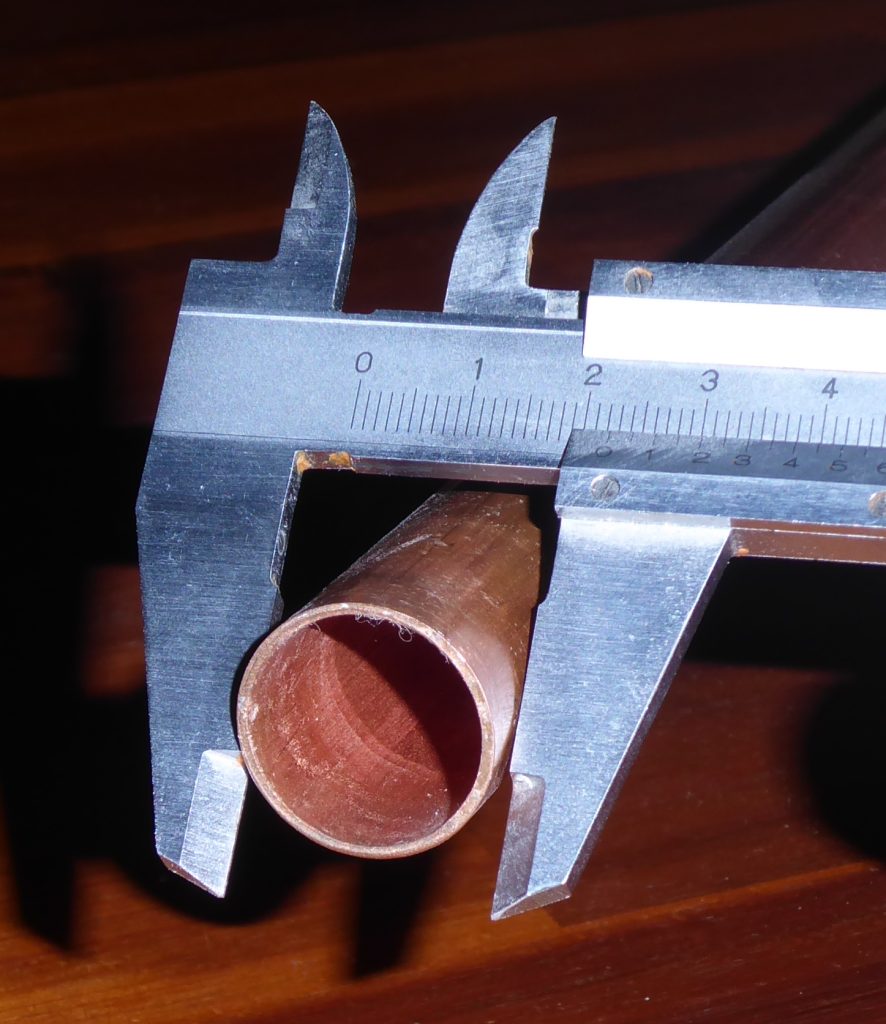
You measure plumbing pipe size by identifying whether you need the outside or inside diameter, taking that measurement with a tape measure or caliper, then matching the result to a nominal size chart.
- Determine whether the pipe end is male or female. Male pipe …
- Measure the diameter. Wrap a soft tape measure …
- Round to the nearest standard fraction. Pipe sizes …
- Cross-reference a nominal size chart. Match your rounded OD or ID …
What Tools Do You Need To Measure Pipe Size Accurately?
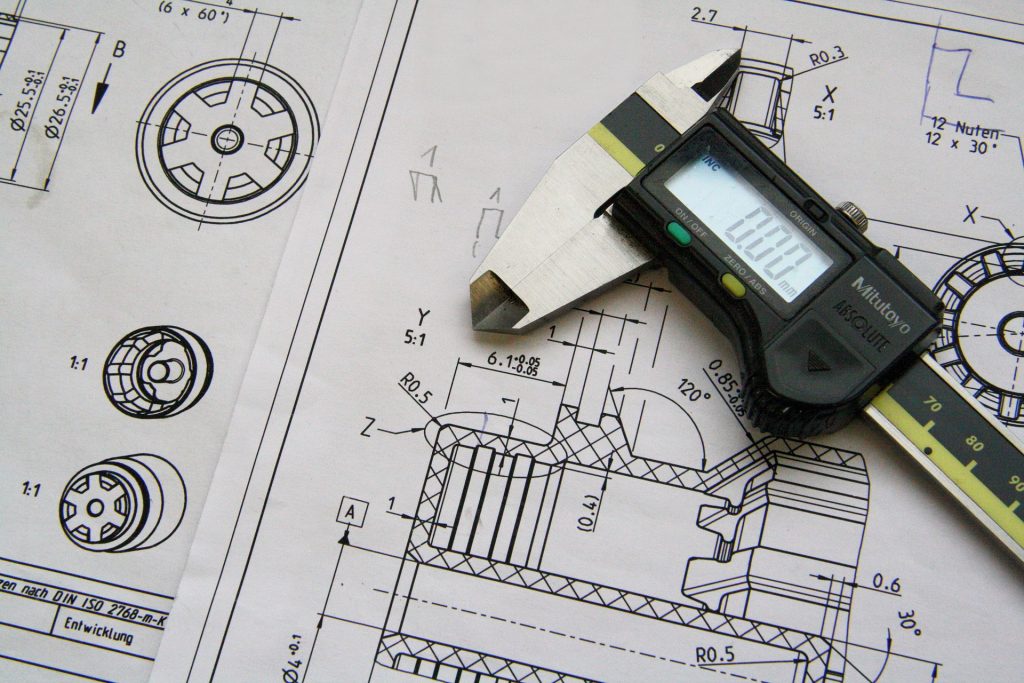
The most reliable tools are a digital caliper for precision and a flexible tape measure for pipes still connected to a wall or fixture. A caliper clamps directly across the pipe opening and gives you a decimal reading without extra math, which is why most professionals prefer it for anything that needs to fit perfectly. A soft tape measure works fine as a backup, though you’ll need to divide the circumference reading by 3.14 to get the diameter, which introduces a small margin of error compared to calipers.
How To Measure Plumbing Fittings Specifically
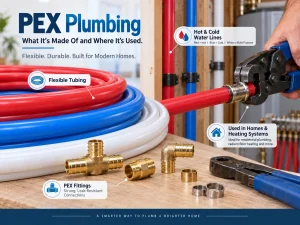
Measuring a fitting follows the same logic as measuring pipe, but you’re checking the fitting’s connection point rather than a straight section of tubing. For threaded fittings, measure the outside diameter of the threaded male end or the inside diameter of the female opening, then compare it to the same nominal size chart used for pipe. For push-fit or compression fittings, measure the outer diameter of the tubing the fitting is designed to accept, since these fittings are sized to the pipe’s OD rather than a threaded nominal number.
| Pipe/Fitting Type | What You Measure | Common Tool |
|---|---|---|
| Male-threaded pipe | Outside diameter (OD) | Caliper or tape measure |
| Female-threaded fitting | Inside diameter (ID) | Caliper or ruler |
| Push-fit (PEX, copper) | Outer diameter of tubing | Caliper |
| Copper pipe | Nominal size ≠ OD; check copper-specific chart | Caliper |
| PVC pipe | OD matches nominal size closely | Tape measure or caliper |
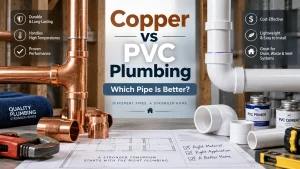
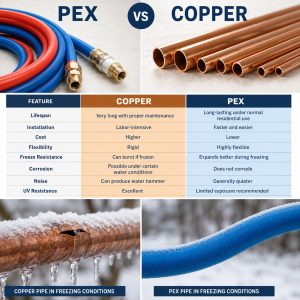
Copper pipe deserves a special mention here: unlike PVC, where the nominal size is close to the actual OD, copper pipe sizing runs smaller than its outer measurement, so a “1/2-inch” copper pipe measures roughly 5/8 inch on the outside. Always check a copper-specific chart rather than relying on the general PVC conversion.
How Do You Loosen Plumbing Fittings Before Measuring?
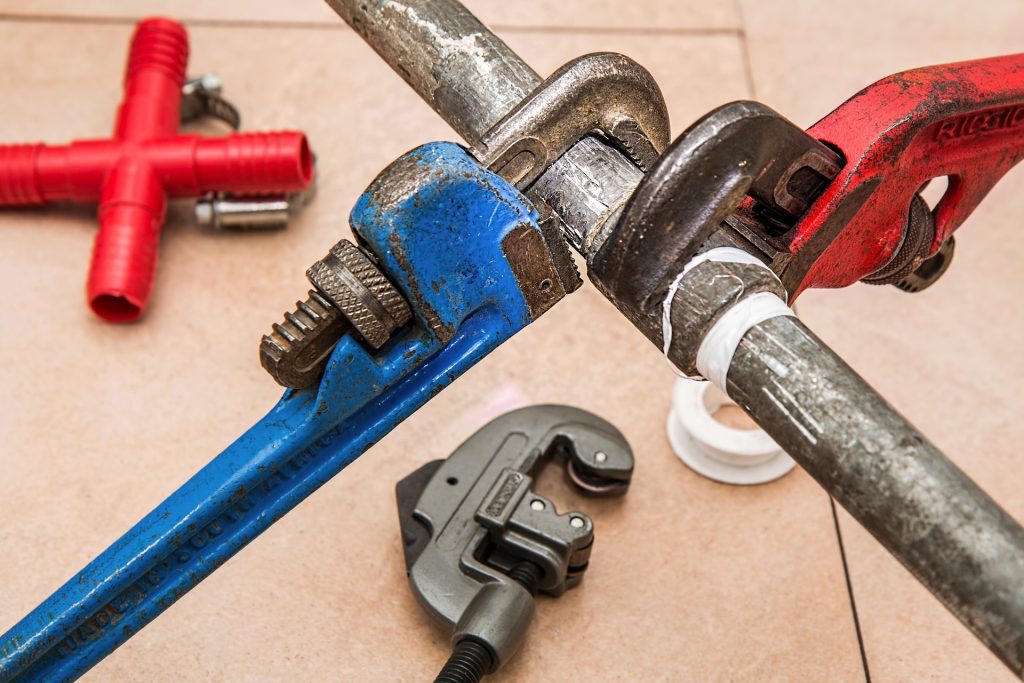
You loosen plumbing fittings by first shutting off the water supply, then using a pipe wrench or adjustable wrench on threaded connections, turning counterclockwise while holding the opposite fitting steady with a second wrench to prevent the whole pipe run from twisting. This two-wrench method matters because a lot of fitting damage happens not from the loosening itself, but from torque traveling down the line and cracking a joint somewhere else in the system.
For stuck or corroded threaded fittings, a penetrating lubricant applied a few minutes beforehand, combined with steady, even pressure rather than sudden force, will usually break the seal without rounding off the fitting or snapping the pipe. If a fitting still won’t budge after lubricant and firm pressure, it’s often a sign of internal corrosion severe enough that forcing it risks a pipe break – at that point, cutting the section out is safer than continuing to fight it.
How Do You Remove Push-Fit Plumbing Fittings?
You remove push-fit plumbing fittings by shutting off the water, pushing the release collar toward the fitting body with your fingers or a disconnect tool, and pulling the pipe straight out while the collar stays depressed. The release collar is the plastic or metal ring visible right at the mouth of the fitting, and it’s what holds the internal grip ring against the pipe – once it’s pressed in, the grip releases and the pipe slides free with light, steady pressure.
A few details make this go smoothly: always cut the pipe cleanly and deburr the end before reinserting it into a new push-fit connection, since a rough or cut-at-an-angle edge won’t seal properly. If the collar won’t depress by hand, a dedicated disconnect clip (sold for most major push-fit brands) slips around the pipe and presses the collar evenly, which works far better than prying with a screwdriver and risking damage to the O-ring inside.
Common Pipe Measurement Mistakes To Avoid
Three mistakes account for most wrong-size purchases: measuring at a crushed or out-of-round section of pipe, confusing nominal size with actual diameter, and forgetting that copper, PVC, and PEX each follow slightly different sizing conventions. Measuring near a clamp, a bend, or a spot where the pipe has been squeezed will give you a false reading, so always measure a straight, undamaged section. And if you’re working with an old galvanized steel pipe, keep in mind that decades of mineral buildup inside can shrink the effective inside diameter significantly, even though the outside measurement and nominal size stay the same.
When Should You Call a Plumber Instead of Measuring It Yourself?
Call a plumber if the pipe is hidden behind a wall or beneath a slab, a fitting won’t loosen without risking damage to old or corroded piping, or you’re unsure whether a replacement part can safely withstand the water pressure. A sizing mistake on an exposed fixture may be inconvenient, but the wrong part on a main line or concealed pipe can cause a leak and serious damage before it’s noticed.
If you’re dealing with a stuck fitting, an unusual pipe size, or an uncertain measurement, hiring a professional may save time and money compared with making repeated trips to the hardware store. You can order plumbing service and have a licensed plumber confirm the correct size and complete the installation.